Abstract
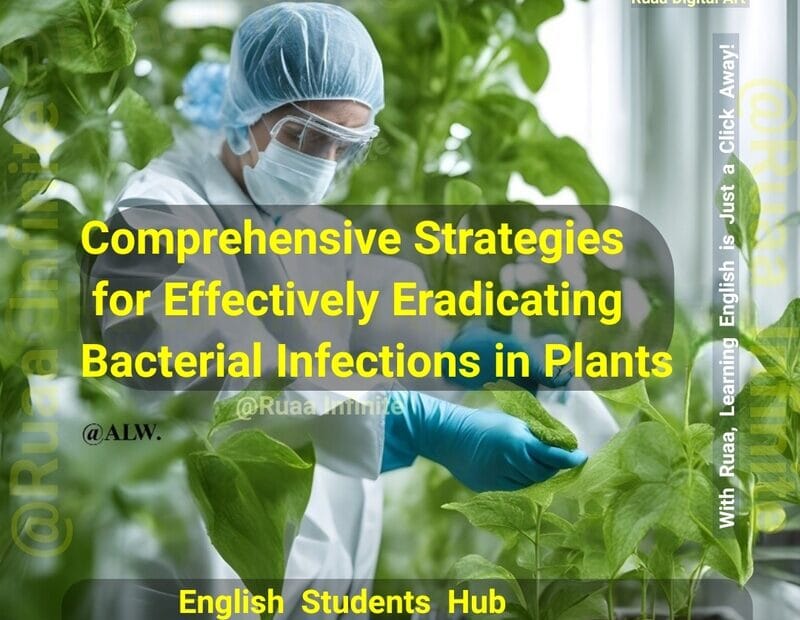
Bacterial infections in plants can devastate crops, threaten food security, and disrupt ecosystems. This article explores powerful strategies to combat these infections, from preventive hygiene to advanced biological and chemical control methods. By understanding plant-pathogen interactions and implementing a combination of proactive and reactive approaches, farmers and gardeners can protect their plants, ensuring healthier growth and higher yields. This guide provides actionable steps for maintaining plant health and sustainability.
Introduction
The Crucial Role of Plants
Plants are the backbone of life on Earth, providing oxygen, food, and a stable ecosystem. They support biodiversity, regulate climate, and sustain agriculture. However, bacterial infections pose a significant threat, causing stunted growth, reduced yields, and even plant death. These infections can wipe out entire crops, leading to economic losses and food shortages. Understanding and tackling these threats head-on is crucial for farmers, gardeners, and agricultural industries worldwide.
Understanding Bacterial Infections in Plants
Types of Bacterial Pathogens
Bacteria attack plants in various ways, targeting stems, leaves, roots, and fruits. Some of the most common plant-harming bacteria include Pseudomonas, Xanthomonas, and Erwinia. Each pathogen has unique infection methods, whether entering through wounds, natural openings, or spreading via insects and water. Knowing which bacteria affect specific plants helps in selecting the right treatment and prevention strategies.
Signs and Symptoms
Early detection is key to saving infected plants. Common symptoms include:
- Leaf spots: Dark, water-soaked patches that spread quickly.
- Wilting: Weak, drooping plants even with sufficient water.
- Stem rot: Soft, mushy, and discolored stems.
- Cankers: Sunken, cracked, or swollen areas on stems and branches.
- Ooze: A sticky, foul-smelling discharge from infected areas. Recognizing these symptoms early allows for immediate intervention, preventing further spread and saving crops.
Factors Affecting Plant Susceptibility
Why do some plants succumb to bacteria while others remain healthy? Several factors influence vulnerability:
- Environmental conditions: High humidity, excess moisture, and poor ventilation create ideal conditions for bacterial growth.
- Genetic resistance: Some plant varieties are naturally resistant, while others are more susceptible.
- Soil health: Nutrient-rich, well-draining soil supports strong immune responses in plants. Understanding these factors helps growers choose the best prevention and treatment strategies.
Preventive Measures
Hygienic Practices
Equipment and Tool Sterilization
Dirty tools can spread bacteria between plants. Regularly sterilizing pruning shears, trowels, and gardening gloves reduces infection risks. Recommended sterilization methods include:
- Soaking tools in a 10% bleach solution for 30 minutes
- Using rubbing alcohol or hydrogen peroxide for quick disinfection
- Flame sterilization for metal tools Good hygiene is one of the simplest yet most effective ways to prevent bacterial infections.
Crop Rotation
Disrupting Bacterial Cycles
Planting different crops in rotation prevents bacteria from establishing long-term colonies. For example:
- After a tomato harvest, plant beans or corn instead of another nightshade family crop.
- Rotate root vegetables with leafy greens to break pathogen life cycles. Crop rotation not only controls bacteria but also improves soil health and nutrient balance.
Resistant Plant Varieties
Advancements in Plant Breeding
Modern science has produced bacterial-resistant plant varieties through selective breeding and genetic improvements. For instance:
- Disease-resistant tomato varieties like ‘Iron Lady’ and ‘Mountain Magic’
- Bacterial wilt-resistant peppers and cucumbers Choosing resistant plants reduces reliance on chemicals while maintaining high yields.
Biological Control Methods
Beneficial Microorganisms
Microbial Suppression
Harnessing nature’s good bacteria can fight harmful ones. Beneficial microbes, such as Bacillus subtilis and Trichoderma, compete with pathogens and enhance plant immunity. These are applied via:
- Seed coatings
- Soil drenches
- Foliar sprays this method strengthens plant defenses while avoiding harmful chemical residues.
Antagonistic Plants
Companion Planting Strategies
Some plants naturally repel harmful bacteria or attract beneficial insects that help control bacterial spread. Examples include:
- Marigolds and garlic planted near vegetables to deter bacterial pathogens
- Basil and tomatoes, which improve each other’s resistance Companion planting is a simple, eco-friendly way to boost plant health.
Chemical Control Methods
Antibiotics in Agriculture
Balancing Act
While antibiotics like streptomycin can be effective, overuse can lead to bacterial resistance and environmental harm. Responsible use involves:
- Applying only when necessary
- Using approved, plant-safe antibiotics
- Rotating treatments to avoid resistance buildup Proper antibiotic use ensures effective disease control while maintaining ecological balance.
Copper-Based Compounds
Mechanisms of Action
Copper fungicides and bactericides create a protective barrier on plant surfaces, preventing bacteria from entering. Proper application includes:
- Spraying during dry conditions to enhance absorption
- Applying early in the infection cycle for maximum effectiveness
- Avoiding overuse to prevent soil buildup Copper-based treatments provide long-term bacterial protection when used correctly.
Environmental Management
Optimal Watering Practices
Water as a Vector
Water can carry bacteria from plant to plant. Best practices include:
- Watering at the base, not overhead, to minimize leaf moisture
- Using drip irrigation instead of sprinklers
- Watering in the morning to allow quick drying these simple adjustments significantly reduce bacterial spread.
Adequate Ventilation
Minimizing Humidity
High humidity encourages bacterial growth. Effective ventilation strategies include:
- Proper plant spacing to improve airflow
- Using fans in greenhouses
- Pruning excess foliage to reduce moisture buildup Keeping humidity levels low creates an unfavorable environment for bacterial infections
Conclusion
Holistic Plant Health
To ensure lasting plant health and sustainability, an integrated and proactive approach is essential. By intertwining preventive measures, biological solutions, chemical interventions, and environmental management, we cultivate a defense system that fortifies plants against bacterial threats. Healthy plants translate into higher agricultural productivity, resilient ecosystems, and greater food security for the growing global population.
Emphasizing education and awareness among farmers, researchers, and agriculturalists is pivotal. By fostering a culture of proactive disease management and continuous innovation, we pave the way for long-term sustainability. The collaboration between scientific research, traditional agricultural wisdom, and technological advancements will be the key to eradicating bacterial infections efficiently and ensuring a healthier future for plant life worldwide.
Ultimately, plant health is a shared responsibility—one that demands diligence, adaptability, and strategic planning. Through a collective effort, we can safeguard our crops, protect biodiversity, and secure a thriving agricultural landscape for generations to come.
Fighting bacterial infections in plants requires a well-rounded strategy. From sanitation and crop rotation to beneficial microbes and responsible chemical use, combining multiple approaches yields the best results. Healthy plants mean higher yields, stronger ecosystems, and better food security. By implementing these strategies, growers can protect their crops and contribute to a sustainable agricultural future
Reference:
- Raja Rajan*. ( 2023-07-03). Biocontrol of Dasagavya on Tea (Camellia sinensis) Plant. Journal Name, Volume(Issue), Page Range. DOI: 10.35248/2157-7471.23.14.681
- Naguvanahalli Somashekar Bhavana* and Gottravalli Ramanayaka Janardhana. (2023-07-03). Incidence of Foliage Fungal Diseases on Seedlings of Social Forest Nursery in Mysore, Karnataka, India. Journal Name, Volume(Issue), Page Range. DOI: 10.35248/2157-7471.23.14.682
- Zubia Gulzar*, Zaheen Tara and Fozia Bibi. ( 2023-06-16). Phytochemical Screening of Bark of Ficus Elastica and Their Antioxidant Activity. Journal Name, Volume(Issue), Page Range. DOI: 10.35248/2157-7471.23.14.685
- Ajjoun, M., Fakchich, J., & Elachouri, M. (2021). First insight on ethnobotanical appraisal of plants used traditionally as medicine by Berber community (Amazigh-speaking), living in Driouch province (North eastern Morocco). Ethnobotany Research and Applications, 22, 1–71.
- Ghazi DA, Elmahdy SM. (2021). Effect of Soil Amendments and Foliar Application of Potassium Silicate on Wheat Plants Grown under Sodicity Conditions. Journal of Soil Sciences and Agricultural Engineering, 12(6), 409-416
Final Note and Call to Action:
If you found value in this deep dive into this topic, please give us a thumbs up! For more insightful content and opportunities, subscribe to our YouTube channel @RuaaInfinite and visit our website at https://ruaainfinite.com.
Join us on this journey of growth and discovery. Your support means the world to us.
Stay tuned for our next tech showdown. Thanks for visiting, and until next time, stay secure, stay informed, and stay alert!
👉 Explore here : https://ruaainfinite.com/product/essential-survival-english-course/
Don’t miss out on the opportunity to elevate your English skills in a supportive community. Join us today and start your exciting journey with Ruaa Infinite!
📚🌍 Over 1,500 vocabulary words for daily use!
📢 Join us & spread the word!
✅ Thank you for your support! 💙
✨ Join the English Learning Revolution & Unlock New Opportunities with Ruaa Infinite!
👉 Explore here: https://ruaainfinite.com/category/english-students-hub/
Let’s create a new world where communication skills are EASY! Whether you’re starting from scratch or aiming for fluency, Ruaa Infinite lessons are simple, effective, and FUN!
🔗 EXPLORE MORE:
• Shop courses & books to take your English to the next level: https://ruaainfinite.com/shop
• Discover inspiring content on Pinterest: https://www.pinterest.com/ruaainfnite/pins/
• Watch more engaging videos on YouTube: https://www.youtube.com/@RuaaInfinite
• Find our latest book releases:
👉 https://ruaainfinite.com/product-category/books/
👉 https://www.lulu.com/search?contributor=Ruaa+Infinite
Join 👉 https://t.me/LearnEnglishWithRuaaInfinite
👉 https://ruaainfnite.gumroad.com/
💬 Contact Us:
🌐 Website: ruaainfinite.com/contact
📧 Email: ruaainfnite@gmail.com
✨ Visit ruaainfinite.com to elevate your journey and take every step with confidence! 🚀
🔥Ruaa Digital Artwork brings nature and creativity to life with stunning digital visuals, perfect for art enthusiasts and learners alike! Make every step a success and boost your confidence. Visit the link above to get started! 🌟
Have a nice day ahead!
All the best,
Teacher Waleed R.
